Relocating a business is a monumental task, far more complex than a residential move. It involves not just the physical transfer of assets but also the intricate dance of maintaining business continuity, safeguarding sensitive data, and minimizing operational downtime. In the dynamic business landscape of Riyadh, a strategic approach to commercial shifting is not just beneficial—it’s essential for a seamless transition and sustained success. This guide provides a comprehensive framework for businesses planning a move within Riyadh, ensuring efficiency, security, and minimal disruption.
Phase 1: Strategic Planning and Business Continuity
The success of a commercial move hinges on meticulous planning and a proactive strategy to ensure uninterrupted business operations.
Forming a Relocation Committee
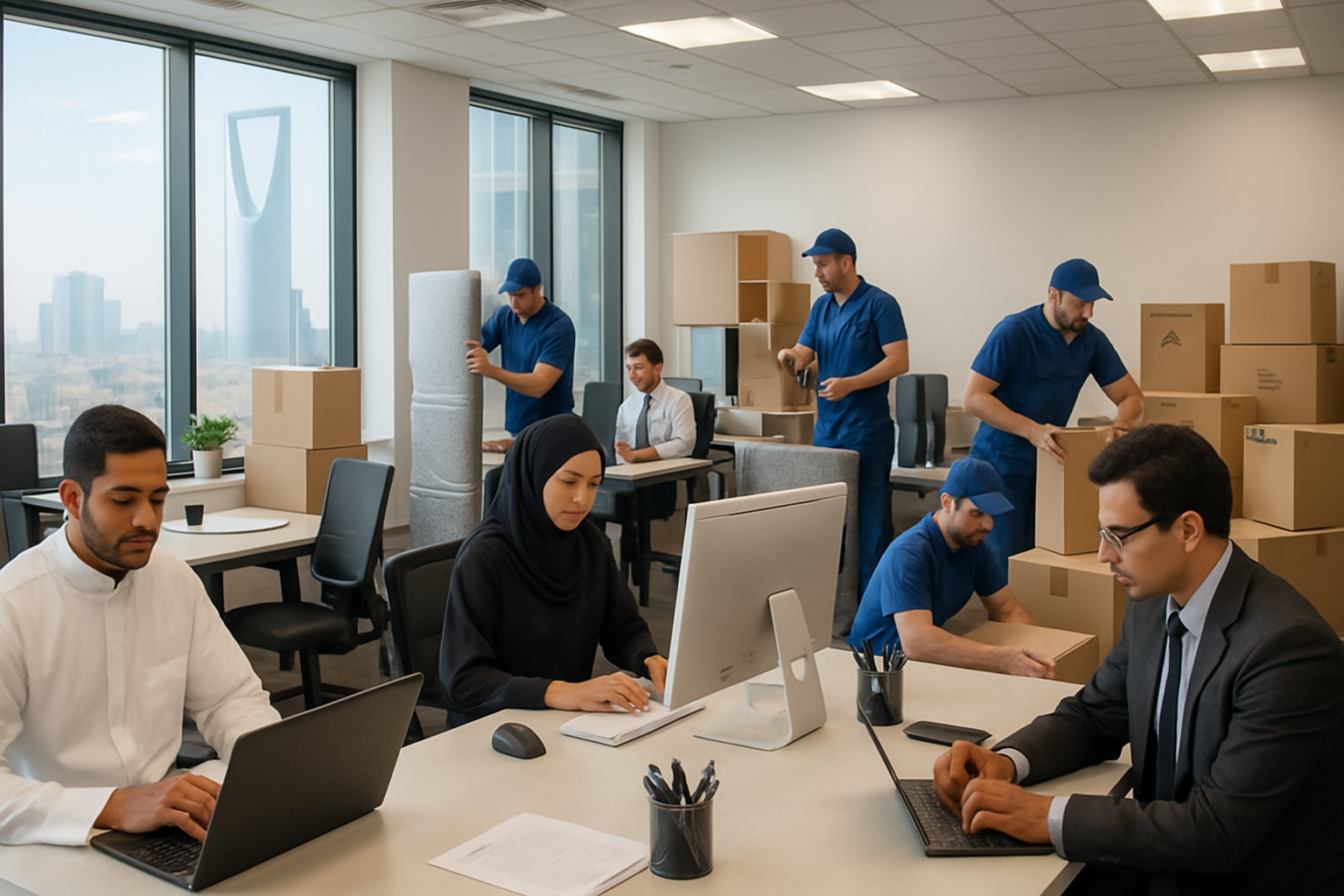
Establish a dedicated relocation committee comprising key personnel from various departments (e.g., IT, HR, Operations, Finance). This committee will be responsible for overseeing the entire moving process, delegating tasks, and ensuring clear communication across the organization. Assigning clear roles and responsibilities from the outset is crucial for a coordinated effort.
Timeline Development
Create a detailed, phased timeline for the entire relocation project. This timeline should include critical milestones such as vendor selection, packing schedules, IT infrastructure setup, and employee communication plans. Work backward from your target move-in date, allocating sufficient time for each task, and building in buffer periods for unforeseen delays. In Riyadh, consider local holidays and peak business seasons when setting your timeline.
Budget Allocation
Commercial moves can be significant investments. Develop a comprehensive budget that accounts for all potential costs, including professional moving services, packing materials, IT relocation specialists, new office setup costs (e.g., furniture, renovations), and potential loss of productivity during the transition. Obtain detailed quotes from multiple commercial shifting companies to ensure transparency and cost-effectiveness.
Minimizing Downtime
Business continuity is paramount. Implement strategies to minimize operational downtime, such as scheduling the move during off-peak hours or weekends. Prioritize the relocation of critical departments and IT infrastructure to ensure they are operational first. Consider temporary remote work arrangements for employees if necessary. A phased move, where certain departments relocate before others, can also help mitigate disruption.
Phase 2: Inventory, Packing, and Specialized Handling
Commercial assets often include sensitive equipment, confidential documents, and specialized machinery, all requiring careful handling.
Comprehensive Inventory Management
Before packing begins, conduct a thorough inventory of all office assets, including furniture, equipment, electronics, and supplies. Use a systematic labeling system (e.g., color-coding by department or floor) to ensure everything is accounted for and placed correctly in the new location. Digital inventory lists with corresponding photos can be invaluable for tracking.
Specialized Equipment Packing
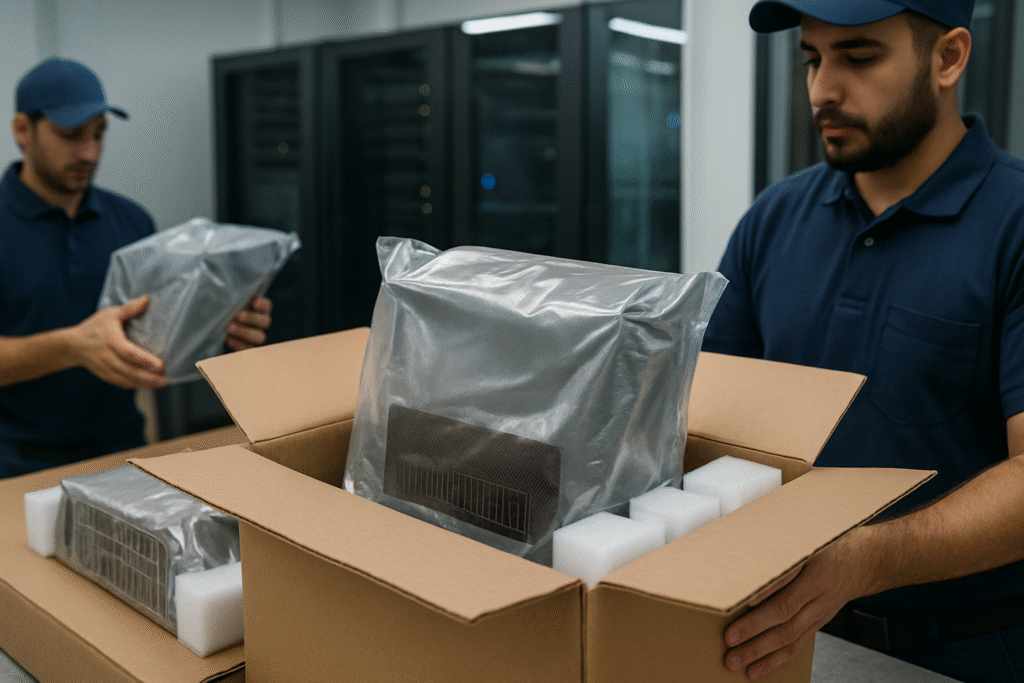
Sensitive electronics, servers, and specialized machinery require expert packing. Professional commercial movers in Riyadh often have specialized equipment and techniques for handling such items, including custom crating, anti-static packaging, and climate-controlled transport. Ensure that all IT equipment is properly backed up before the move.
Document and Data Security
Protecting confidential documents and data is critical. Implement strict protocols for packing and transporting sensitive files. Consider using secure, lockable containers for physical documents. For digital data, ensure robust backup procedures are in place, and coordinate with IT professionals for secure server and network relocation.
Furniture Disassembly and Reassembly
Office furniture, especially modular systems, often requires professional disassembly and reassembly. Experienced commercial shifting companies provide skilled teams who can efficiently dismantle and reassemble workstations, cubicles, and conference room furniture, ensuring they are set up correctly in the new office.
Phase 3: Logistics and Execution on Moving Day
Moving day is the culmination of extensive planning. Smooth execution requires precise coordination and clear communication.
Coordination with Commercial Shifters
Maintain constant communication with your chosen commercial shifting company. Confirm schedules, access routes, and any specific instructions for handling certain items. A pre-move walkthrough with the moving team at both the old and new locations can prevent misunderstandings and ensure a synchronized effort.
Site Preparation
Prepare both the old and new office spaces for the move. At the old location, ensure clear pathways for movers and proper labeling of items to be moved. At the new location, ensure utilities are connected, security systems are active, and floor plans are clearly marked for furniture placement. Consider protective coverings for floors and walls.
Employee Communication
Keep employees informed throughout the process. Provide clear instructions regarding their roles, packing personal items, and access to the old and new offices. Address any concerns and ensure they understand the new office layout and procedures. A well-informed workforce is a more productive one during a transition.
Contingency Planning
Despite the best planning, unforeseen challenges can arise. Develop contingency plans for potential issues such as equipment malfunctions, access restrictions, or adverse weather conditions. Having backup solutions in place can prevent minor setbacks from escalating into major disruptions.
Phase 4: Post-Move Setup and Operational Readiness
The move isn’t complete until your business is fully operational in its new home.
IT and Network Setup
Prioritize the setup and testing of IT infrastructure, including servers, networks, and workstations. Ensure internet connectivity, phone systems, and internal networks are fully functional before employees return to work. Having IT support on-site during the first few days is highly recommended.
Workspace Organization
Once the furniture is in place, focus on organizing individual workspaces and common areas. Ensure employees have access to necessary supplies and equipment. A well-organized office enhances productivity and employee satisfaction.
Post-Move Audit
Conduct a thorough post-move audit to verify that all assets have arrived, are undamaged, and are placed in their correct locations. Address any discrepancies or issues with the commercial shifting company promptly. This is also an opportunity to assess the efficiency of the move and identify areas for improvement in future relocations.
Updating Business Information
Notify all relevant parties of your new business address, including clients, suppliers, banks, and government agencies. Update your website, business cards, and marketing materials with the new contact information. Ensure your Google My Business profile and other online directories reflect the change.
Conclusion
Commercial shifting in Riyadh is a complex undertaking that demands strategic planning, meticulous execution, and robust contingency measures. By partnering with experienced commercial shifting services, businesses can navigate this transition with confidence, minimizing disruption and ensuring a swift return to full operational capacity. A well-executed commercial move is not just a change of address; it’s a strategic investment in your business’s future, setting the stage for continued growth and success in Riyadh’s thriving economy.
