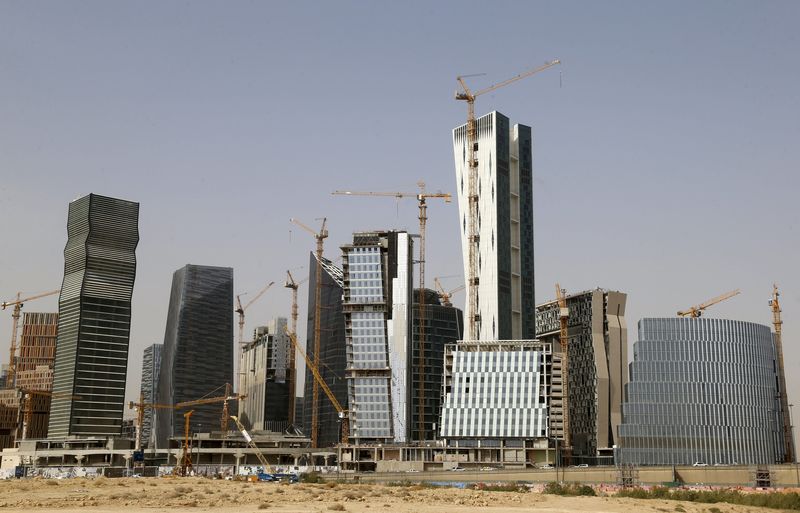
Riyadh, the capital of the Kingdom of Saudi Arabia, has evolved into a global hub of commerce, culture, and innovation. Over the past decade, the city has undertaken remarkable infrastructure projects—towering skyscrapers, expansive highways, and a newly inaugurated metro system—that seamlessly integrate modern convenience with deep-rooted tradition. Strategically positioned at the crossroads of Africa, Asia, and Europe, Riyadh offers professionals an unparalleled platform to engage in energy, finance, technology, healthcare, and education sectors. Coupled with competitive expatriate packages—housing allowances, schooling subsidies, and comprehensive healthcare—relocating here promises both personal growth and professional advancement.
Navigating the Visa and Residency Framework
Securing the correct visa and iqama (residency permit) is the cornerstone of a successful move to Riyadh. Most expatriates arrive on a work visa sponsored by their employer. This process entails medical examinations at accredited clinics, biometric registration, and document attestation via Saudi embassies or consulates. Upon arrival, converting your visa into an iqama unlocks essential services—opening bank accounts, obtaining a driver’s license, and enrolling dependents in schools. Engaging a specialist relocation firm or legal advisor can streamline paperwork, ensure prompt submissions, and minimize delays, allowing you to focus on settling in rather than managing bureaucracy.
Choosing the Right Neighborhood
Riyadh’s districts cater to diverse preferences and budgets. For those seeking a close-knit expatriate community with resort-style amenities, gated compounds in Al Yasmin, Al Waha, or King Abdullah offer villas, playgrounds, fitness centers, and social events. Conversely, towers and serviced apartments in Olaya, Al Mohammadiyah, and the King Abdullah Financial District provide luxury finishes, 24/7 concierge services, and easy access to business hubs. If you prefer traditional architecture, neighborhoods like Al Malqa and Al Narjis feature standalone villas with private gardens. Conduct site visits, assess commute times, and compare utility costs before finalizing your choice.
Understanding Local Culture and Social Norms
Saudi society is deeply anchored in Islamic values, shaping public life and interpersonal interactions. Observance of the five daily prayers influences work schedules; many establishments close briefly to accommodate worship. Modest attire is expected: men typically wear collared shirts and long trousers, while women in public don an abaya—though headscarves for non‑Saudi women are increasingly optional. Public spaces often feature family and single‑gender sections. Demonstrating cultural sensitivity—learning key Arabic greetings, respecting gender‑segregated seating, and honoring Ramadan customs—fosters goodwill, strengthens business relationships, and facilitates genuine connections with Saudi colleagues and neighbors.
Daily Living: Amenities and Services
Riyadh’s retail landscape ranges from international supermarkets (Tamimi, Carrefour) to traditional souks (Souk Al Zal) where you can haggle for spices, textiles, and handicrafts. Specialty food shops cater to global palates with organic produce, artisan cheeses, and gourmet coffee. The city’s dining scene is equally diverse: street‑food vendors serve shawarma and falafel, while upscale restaurants showcase Levantine, Persian, Indian, and European cuisine. Reliable utilities and high‑speed internet are widely available. Many compounds include maintenance services, while serviced apartments often bundle housekeeping and utilities into a single monthly fee—simplifying household management for busy professionals.
Education and Healthcare Infrastructure
For families, Riyadh offers a robust selection of international schools following British, American, International Baccalaureate, French, and Indian curricula. Early application is crucial, as demand often exceeds supply; budgets should account for tuition, registration fees, and transportation. Extra‑curricular offerings—robotics, equestrian sports, performing arts—ensure well‑rounded development. The healthcare system comprises world‑class private hospitals (e.g., King Faisal Specialist Hospital) and government clinics. Employer‑sponsored insurance plans typically cover consultations, diagnostics, and prescription drugs. Reviewing policy limits, co‑payments, and approved provider networks in advance will prevent surprises during critical medical situations.
Transportation and Mobility
While personal vehicles have traditionally dominated Riyadh’s transport scene, ride‑hail services (Careem, Uber) and an expanding city‑bus network now provide viable alternatives. The Riyadh Metro—comprising five color‑coded lines—has begun reshaping commutes, linking residential districts to business centers and the airport. International driving licenses are valid for short stays, but converting to a Saudi license becomes necessary for long‑term residents. Hiring a driver remains common, particularly for families and executives. Familiarizing yourself with local driving etiquette—frequent roundabouts, varying speed limits, and right‑lane overtaking—will improve safety and reduce stress.
Leisure, Culture, and Recreation

In recent years, Riyadh has blossomed into a cultural hotspot. The National Museum chronicles Arabian history from pre‑Islamic times to modern statehood, while the King Abdulaziz Historical Center preserves the birthplace of the first Saudi dynasty. Contemporary galleries in Al Malqa and Diriyah showcase regional and international talent. Annual festivals such as Riyadh Season feature concerts, theatrical performances, and sporting events. Parks like Wadi Hanifah and Salam Park offer jogging trails, picnic areas, and lakes, contrasting sharply with the surrounding desert. Weekend escapes to historic Diriyah or the sandy dunes of the Empty Quarter cater to both heritage enthusiasts and adventure seekers.
Adapting to Riyadh’s Climate
Riyadh’s climate is characterized by scorching summers—temperatures frequently exceed 45 °C (113 °F)—and mild winters with daytime highs around 20–25 °C (68–77 °F). Air-conditioned indoor spaces are indispensable, and UV‑grade sunglasses, broad‑brimmed hats, and sunscreen should be part of your daily routine. Hydration is vital; carry water bottles when exploring the city on foot. Winter months, from December to March, present the best opportunity for desert camping, dune‑bashing excursions, and stargazing—activities that reveal the region’s dramatic landscapes.
Professional Networking and Growth
Building a strong professional network in Riyadh hinges on face‑to‑face engagement. Industry conferences at venues like the King Abdulaziz International Conference Center draw global experts in energy, finance, and urban planning. Local chambers of commerce, business councils, and expatriate clubs organize mixers and seminars, providing platforms to share insights and forge partnerships. Social events in compound lounges or boutique hotel rooftops offer more informal settings. Active participation in volunteer groups, sporting leagues, and cultural societies can further enhance your visibility, opening doors to career opportunities and collaborative ventures.
Conclusion: Thriving in a Transformative City
Relocating to Riyadh is not merely a change of address—it is an invitation to participate in a nation’s pivotal transformation. By combining meticulous planning with cultural openness and an adventurous spirit, you can seamlessly integrate into Saudi society and leverage the city’s expanding horizons. Riyadh’s fusion of heritage and innovation offers expatriates a rich tapestry of personal and professional possibilities, ensuring that your relocation becomes one of the most rewarding chapters in your global journey.
