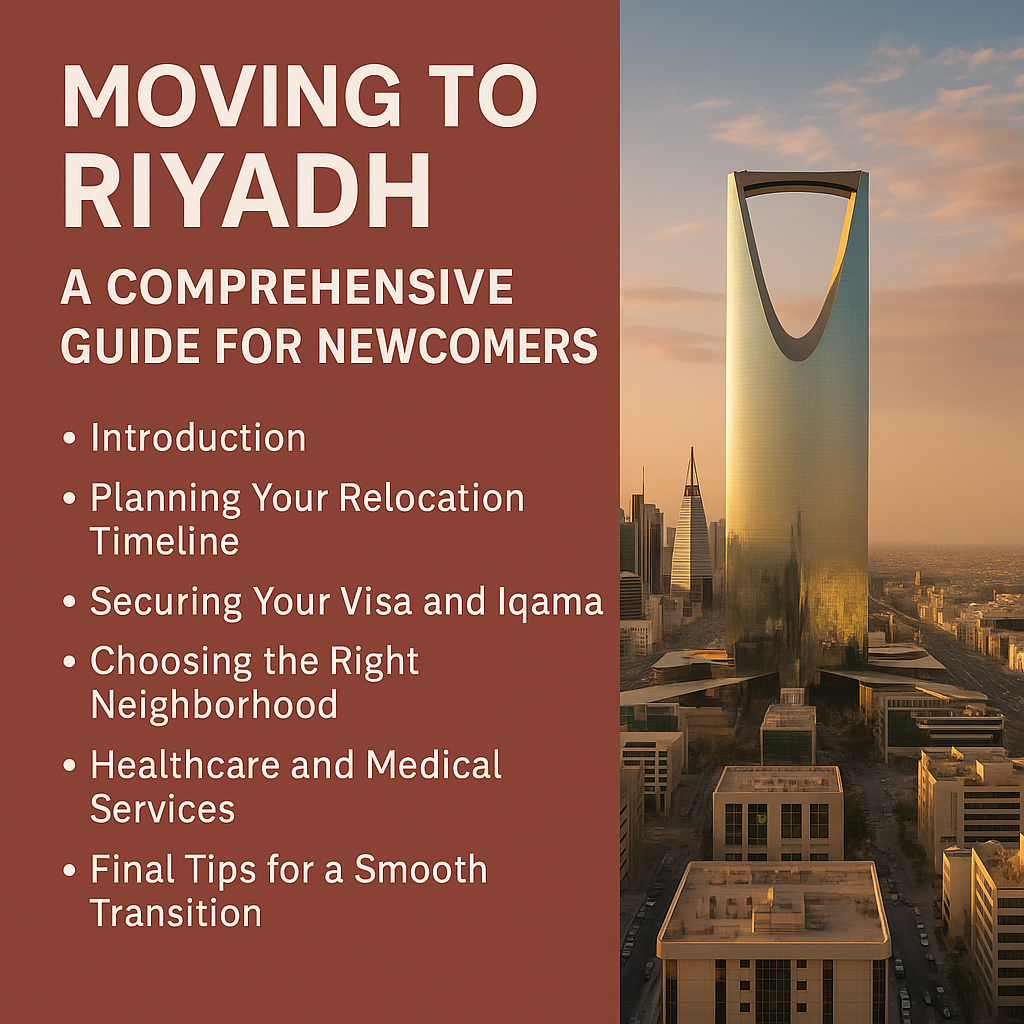
Relocating to Riyadh, the vibrant capital city of Saudi Arabia, is an exciting opportunity for professionals, families, and entrepreneurs alike. As the political, financial, and cultural heart of the Kingdom, Riyadh offers modern infrastructure, a booming job market, and a rich blend of heritage and innovation. However, moving to a new country requires detailed preparation and an understanding of the practical and cultural landscape. This guide provides everything you need to plan a smooth transition to life in Riyadh.
Planning Your Relocation Timeline
When planning your move, begin several months in advance. The process typically includes obtaining an employment offer, applying for a work visa or residency (Iqama), arranging housing, and shipping your belongings. You’ll also want to get familiar with Saudi Arabian customs, weather, and language expectations. Making a checklist and breaking the relocation process into phases—pre-departure, transition, and settling-in—will help you stay organized and reduce stress.
Securing Your Visa and Iqama
To live and work in Saudi Arabia, you’ll need a visa sponsored by your employer. This process can take anywhere from a few weeks to a couple of months, depending on your nationality and the employer’s experience with expat onboarding. Once in Riyadh, your Iqama becomes your primary identification document and is essential for renting accommodation, accessing banking services, and obtaining medical care.
Choosing the Right Neighborhood
Riyadh is home to a variety of residential districts, each with its own unique character. Popular neighborhoods for expatriates include Al Olaya, known for its central business district; Al Malaz, offering family-friendly parks and amenities; and Diplomatic Quarter (DQ), a green, gated community popular with diplomats and international residents. Consider your commute, budget, and lifestyle preferences when selecting an area.
Finding Housing: Costs and Expectations
Housing options range from high-rise apartments and villas to gated compounds that offer Western-style amenities. Compounds are often favored by expatriates for their security, recreational facilities, and international community. Rent varies significantly depending on location and property size, with compound living being more expensive. It’s common for leases to be paid annually, though some landlords accept semi-annual or quarterly payments.
Healthcare and Medical Services
Saudi Arabia offers both public and private healthcare services, with many hospitals in Riyadh boasting international accreditations. Most expats opt for private hospitals due to shorter wait times and English-speaking staff. Medical insurance is mandatory and typically provided by employers. Leading hospitals include King Faisal Specialist Hospital, Dr. Sulaiman Al Habib, and King Khalid University Hospital.
Transportation and Commuting
Public transport in Riyadh is improving, thanks to the ongoing development of the Riyadh Metro, expected to be one of the largest in the world. Until the metro is fully operational, most residents rely on private cars or ride-hailing apps like Uber and Careem. Driving is on the right-hand side, and while traffic can be intense, the roads are well-maintained. Women are now legally allowed to drive, making personal transportation more accessible.
Cultural Etiquette and Dress Code
Riyadh is a city rooted in Islamic tradition. Expats are expected to dress modestly—men should avoid shorts, and women should wear loose clothing that covers their arms and legs. While the abaya (a long robe) is no longer mandatory for foreign women, many still choose to wear it in public spaces. Public displays of affection should be avoided, and it’s respectful to refrain from eating or drinking in public during Ramadan.
Education for Families
If you’re relocating with children, Riyadh has several international schools offering curricula such as American, British, French, and IB. These schools often have long waiting lists, so it’s essential to apply early. Notable institutions include the British International School of Riyadh (BISR), American International School-Riyadh (AIS-R), and Multinational School Riyadh.
Social Life and Leisure
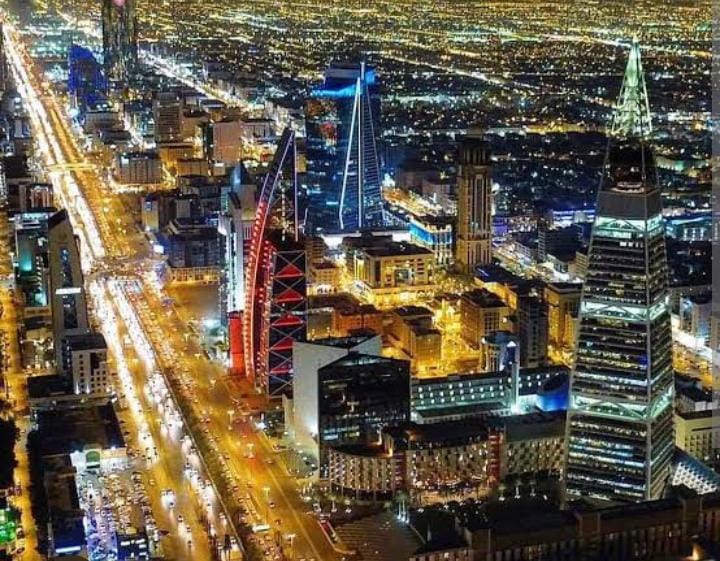
Though Riyadh has traditionally been a conservative city, recent reforms under Vision 2030 have expanded entertainment options. You’ll find new cinemas, shopping malls, concert venues, art galleries, and fine dining restaurants. The city also hosts regular cultural festivals, food fairs, and sports events. Weekends (Friday and Saturday) are great for exploring the desert, taking road trips, or enjoying local cafés and resorts.
Final Tips for a Smooth Transition
Before your move, join expat forums, social media groups, and Riyadh-based networking platforms to connect with others who’ve made the move. Bring essential documents like birth and marriage certificates, educational transcripts, and immunization records. Once settled, register with your embassy and explore the city with an open mind—adjusting to a new culture takes time, but Riyadh’s warm hospitality and dynamic growth make it a welcoming place for newcomers.
