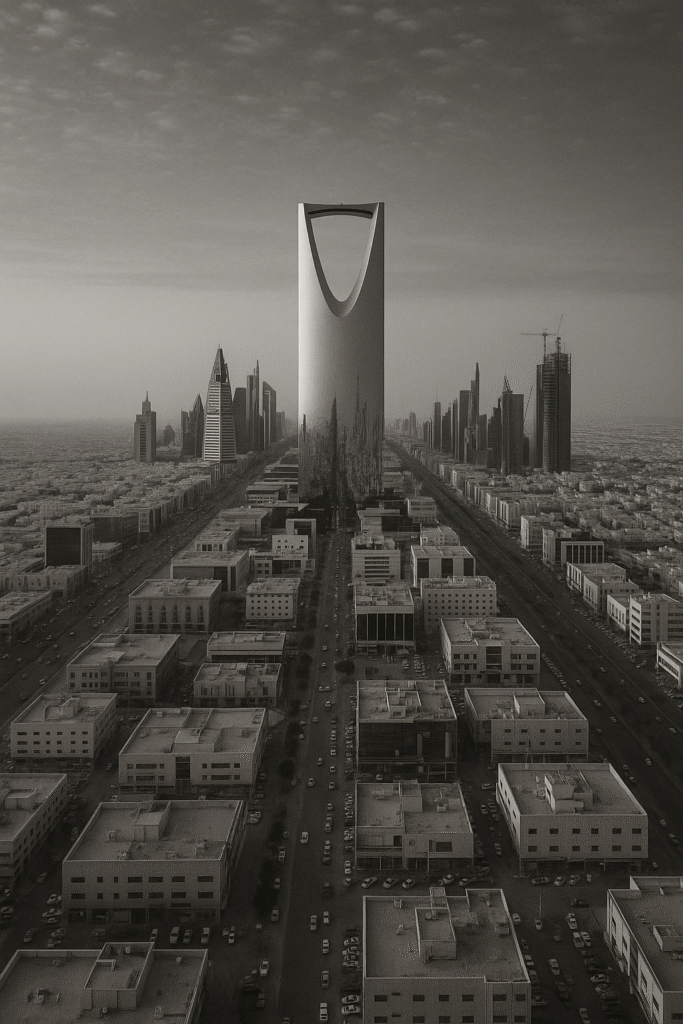
Why Riyadh is the Right Move Today
As Saudi Arabia undergoes one of the most ambitious national transformations in the world, Riyadh stands at the forefront of change. It’s not just the capital city—it’s the pulse of Vision 2030, the country’s roadmap for economic diversification and global engagement. With opportunities growing in sectors like finance, tech, healthcare, education, and hospitality, professionals from across the globe are considering Riyadh not just for work, but for long-term living and personal growth.
Whether you’re a young professional seeking new career prospects or a family looking for stability and quality of life, Riyadh offers a surprisingly modern, comfortable, and forward-looking environment.
Preparing for Your Move
Relocating internationally requires careful planning. Once you’ve secured a job offer in Riyadh, your employer will likely assist in initiating the visa process. You’ll need to submit medical documents, academic certificates, and personal identification papers—all of which must be authenticated. After arrival, your visa is converted into an Iqama (residency ID), which is crucial for daily living in Saudi Arabia.
Be sure to bring:
- Certified copies of your degrees
- Marriage and birth certificates (if applicable)
- Passport photos and valid passport
- Health records and immunizations
- International driver’s license or home country license
The Cost of Living in Riyadh
Riyadh offers a relatively affordable lifestyle compared to other major global cities, though some services—especially within expat communities—can be pricey. Housing will be your largest expense, especially in compounds or luxury apartments. However, fuel is cheap, groceries are moderately priced, and domestic help is more affordable than in Western countries.
Monthly cost overview for a single professional:
- One-bedroom apartment in a compound: SAR 4,500–7,000
- Utilities and internet: SAR 500–700
- Transportation (fuel and car lease): SAR 1,000–1,500
- Dining and leisure: SAR 1,000–2,000
Finding the Right Place to Live
Your housing options in Riyadh depend on your budget and lifestyle preferences. Gated compounds remain popular for Western expats as they offer familiar amenities, relaxed rules, and a strong sense of community. However, living in local neighborhoods can be a cost-effective and immersive experience.
Top areas include:
- Diplomatic Quarter (DQ): Green, quiet, and modern
- Al Nakheel: Family-friendly with large villas
- Olaya & Al Sulimaniyah: Central, urban, and close to offices
- Al Yasmin & Al Narjis: Upmarket neighborhoods with new developments
Adjusting to Local Culture and Norms
Riyadh remains culturally conservative compared to Western capitals, but major social reforms have changed the landscape significantly. Women now drive, entertainment is mainstream, and international events are welcomed. That said, modest dress and behavior are still appreciated.
Key cultural etiquette:
- Always greet with “As-salamu Alaikum”
- Avoid discussing religion or politics
- Respect prayer times and public holidays
- Dress modestly in public (especially in traditional areas)
- Be patient—relationship-building is highly valued in social and business life
What to Expect from Healthcare
Healthcare in Riyadh is high-quality and easily accessible through both private and public hospitals. Most expats opt for private healthcare, and many hospitals have English-speaking doctors and staff. Health insurance is a requirement for all residents and usually provided by your employer. Emergency services, maternity care, dental services, and surgeries are all available with modern equipment and facilities.
Top private hospitals:
- Dr. Sulaiman Al Habib Medical Group
- King Faisal Specialist Hospital & Research Centre
- Kingdom Hospital
- Al Hammadi Hospital
Education Options for Children
Riyadh hosts a wide variety of international schools, which follow American, British, IB, and other national curriculums. Most offer excellent academic standards, robust extracurricular activities, and experienced international staff. Waiting lists can be long, so early application is advised.
Popular schools include:
- American International School Riyadh (AIS-R)
- British International School Riyadh (BISR)
- SEK International School Riyadh
- Multinational School Riyadh
Navigating the City
Transportation is evolving quickly in Riyadh. While most people still rely on private cars or taxis, the Riyadh Metro is under development and expected to greatly improve public transportation in the city. Until then, ride-hailing apps like Uber and Careem are reliable and widely used.
If you plan to drive, a local Saudi driver’s license is required, though it’s now easier than ever for expats to apply and convert international licenses.
Leisure, Shopping, and Social Life
The city has undergone a leisure revolution. Expats can now attend concerts, eat at global restaurants, explore local markets, and enjoy new theme parks and cinemas. Boulevard Riyadh City, The Zone, and U Walk are among the trendiest spots for dining and nightlife.
Outdoor enthusiasts can explore:
- The Edge of the World
- Riyadh’s desert dunes (great for camping and quad biking)
- Wadi Hanifah for scenic walking and biking trails
- Local resorts with pools, spas, and kids’ activities
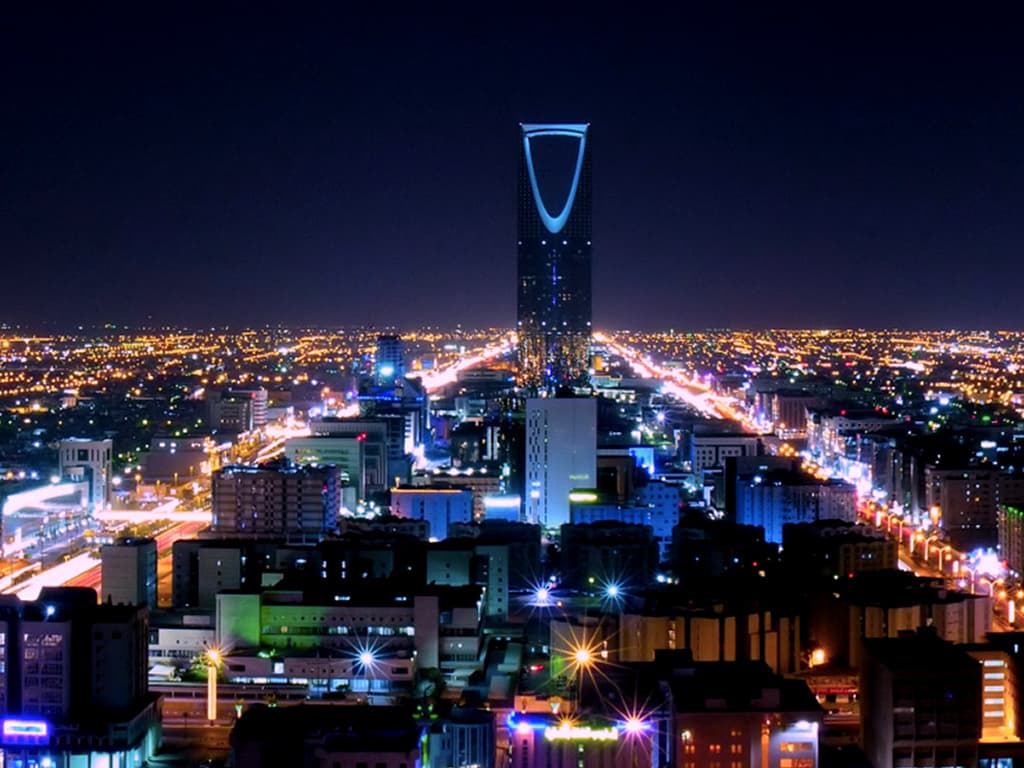
Final Reflections
Relocating to Riyadh is a bold and exciting step—but also a manageable one, thanks to the city’s rapidly improving expat infrastructure. Whether you’re coming for a short contract or a long-term lifestyle change, Riyadh rewards those who arrive with an open mind and a willingness to engage. With strong economic potential, world-class development projects, and a rich cultural backdrop, Riyadh continues to emerge as a compelling place to live, work, and thrive.
